
If you are searching for buy AWS S3 account, you are probably looking for reliable cloud storage for your website, app, business files, backups, or digital assets. Amazon S3, also known as Amazon Simple Storage Service, is one of the most popular cloud storage solutions used by businesses, developers, agencies, and startups worldwide.
However, it is important to understand one thing clearly: instead of buying an AWS S3 account from an unknown third-party seller, the safest and most professional option is to create your own official AWS account and activate Amazon S3 inside it. This gives you full ownership, billing control, security access, and long-term reliability.
In this guide, you will learn what an AWS S3 account is, why businesses use it, how to create one safely, and what to check before using S3 for your website or business storage.
An AWS S3 account means an AWS account where Amazon S3 is enabled and ready to store files, images, videos, backups, documents, application data, and other digital assets.
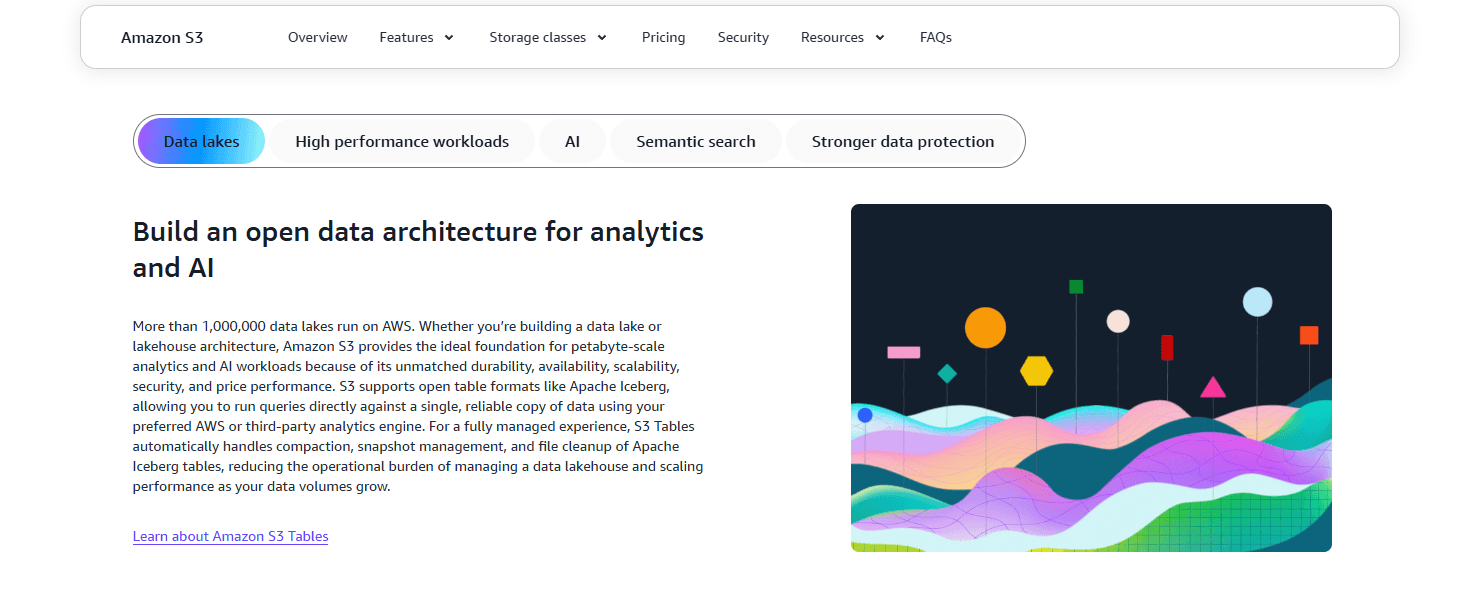
Amazon S3 is object storage. That means you can upload and manage different types of files as objects inside storage containers called buckets. These buckets can be used for many purposes, such as:
For businesses that need flexible, scalable, and secure cloud storage, AWS S3 is a strong choice.
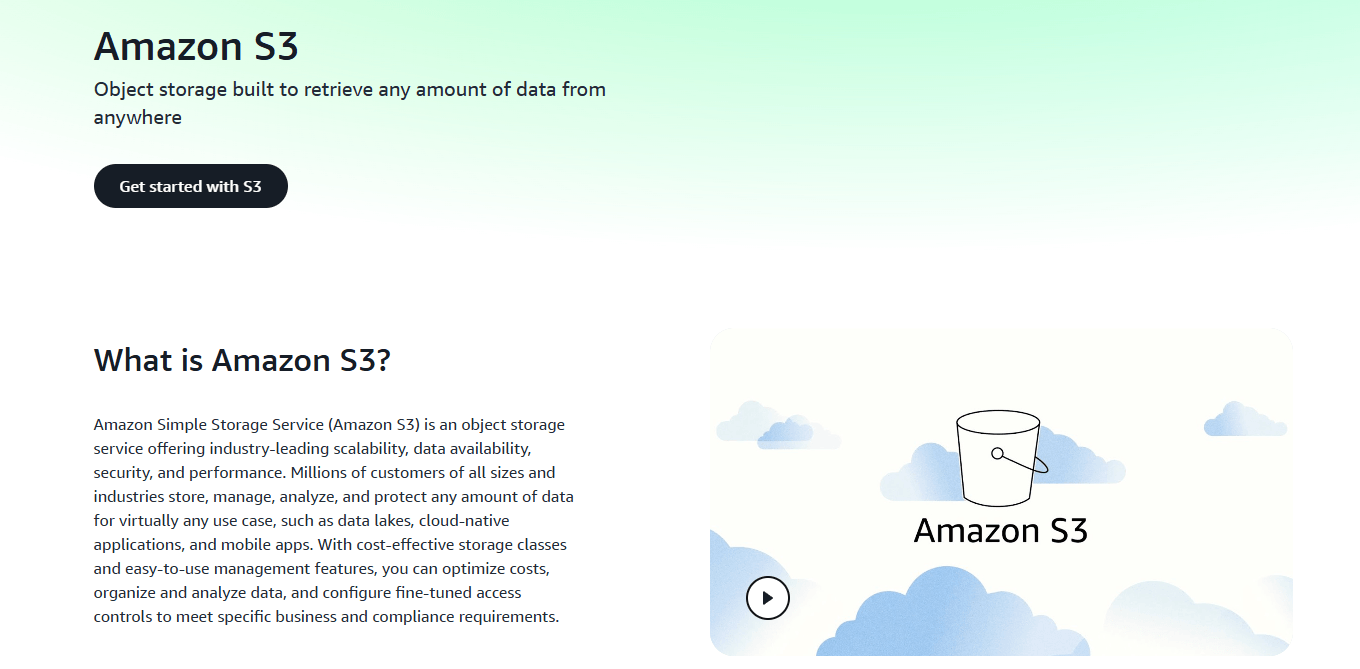
When you buy or set up an AWS account through a legitimate and secure process, you get access to one of the world’s most powerful cloud platforms. An AWS account allows businesses, developers, agencies, and startups to use cloud services for hosting, storage, computing, databases, backups, and application development.
A verified AWS account gives you access to a wide range of cloud services, including Amazon S3, EC2, RDS, Lambda, CloudFront, IAM, and more. These services help you build websites, host applications, store files, manage databases, and run cloud-based projects.
With AWS services like Amazon S3, users can store images, videos, documents, backups, application files, and business data. The storage can scale as your business grows, making it suitable for both small projects and enterprise-level systems.
AWS accounts allow users to pay based on actual usage. This means you do not need to buy expensive physical servers or fixed hosting packages. You can start small and increase your cloud resources when needed.
A properly configured AWS account includes strong security options such as identity management, access control, multi-factor authentication, and user permissions. This helps protect your cloud resources from unauthorized access.
AWS has a worldwide cloud infrastructure, allowing users to deploy websites, apps, and data services in different regions. This can help improve performance, availability, and user experience for global audiences.
AWS accounts are commonly used for hosting websites, web applications, APIs, SaaS platforms, ecommerce stores, and backend systems. Users can choose different services based on project size and technical requirements.
AWS accounts can be used to create secure backup systems for files, databases, websites, and business applications. This helps businesses protect important data and recover faster during unexpected issues.
AWS provides tools for developers, including APIs, SDKs, command-line tools, monitoring systems, and automation options. These tools make it easier to build, test, deploy, and manage cloud-based applications.
AWS services are designed for high availability and strong performance. Businesses can use AWS accounts to run critical projects with better uptime, speed, and resource control compared to traditional hosting.
AWS accounts can integrate with many third-party platforms, CMS systems, ecommerce tools, analytics platforms, backup tools, and development workflows. This makes AWS useful for agencies, online businesses, and software teams.
With AWS Identity and Access Management, account owners can create different users, roles, and permission levels. This is useful for teams because each member can receive only the access they need.
AWS provides billing dashboards, budgets, and usage tracking features. These tools help users monitor cloud spending, check service usage, and control monthly costs.
An AWS account can be used for many purposes, including:
New AWS users may get access to Free Tier benefits or cloud credits depending on current AWS offers and eligibility. This helps beginners test AWS services before moving to larger paid usage.
Using your own AWS account gives you full control over your cloud infrastructure, billing, security, login credentials, and stored data. For serious business use, this is much safer than using shared or unknown third-party accounts.
Buy AWS accounts from unknown or unofficial sellers can be risky. It may create problems with ownership, billing, security, account recovery, and service suspension. For long-term business use, it is always better to create or manage an AWS account through official and legitimate methods.
Many people search online for “buy AWS S3 account” because they want a ready-made account. But buy AWS account from an unknown seller is not recommended. It can create serious problems, including:
The better option is to create your own AWS account officially. This ensures the account is registered under your name, business email, payment method, and security settings.
So, when people say they want to “buy AWS S3 account,” the smart meaning should be: create and activate an official AWS account for Amazon S3 storage.
Amazon S3 is trusted because it is designed for businesses that need dependable storage with flexible usage. Whether you are running a small website or managing large-scale application data, S3 can support different storage needs.
You can start small and grow as your storage needs increase. Whether you need to store a few files or a large amount of data, S3 is built to scale with your business.
S3 allows you to control who can access your files. You can keep files private, make selected files public, or create custom access rules for users and applications.
Developers commonly use S3 to store images, videos, documents, user uploads, static assets, and backup files. It works well with websites, mobile apps, SaaS platforms, and ecommerce stores.
Businesses use S3 to store important backups because it provides cloud-based access and flexible storage options.
AWS generally follows a usage-based pricing model, meaning your cost depends on how much storage, requests, and data transfer you use. This makes it easier to start without needing large upfront infrastructure costs.
Here is the safe process to get started with Amazon S3:
Go to the official AWS signup page and create your account using your own email address, business name, and payment information.
After creating your AWS account, enable multi-factor authentication. This helps protect your account from unauthorized access.
Once your account is active, sign in to the AWS Management Console. This is where you can access Amazon S3 and other AWS services.
Inside Amazon S3, create your first bucket. A bucket is where your files will be stored. Choose a clear bucket name and select the correct AWS region based on your business needs.
Do not make files public unless you need public access. For most business use cases, files should remain private and access should be controlled carefully.
You can upload images, videos, documents, backups, or application files directly to your S3 bucket.
Before using S3 heavily, set up billing alerts or budgets so you can track your cost and avoid unexpected charges.
An AWS S3 account can be useful for many types of users and businesses:
If your website has many images, videos, PDFs, or downloadable files, S3 can help store and deliver those assets more efficiently.
Developers use S3 for app storage, user uploads, static assets, logs, and backup systems.
Online stores can use S3 to store product images, invoices, digital files, and media assets.
Marketing, SEO, design, and development agencies can use S3 to manage client files, backups, and project assets.
Startups can use S3 as a flexible storage system without buying physical servers.
Small and large businesses can use S3 for document storage, backup, file sharing, and internal systems.
Before you start using S3, make sure you understand these important points:
Always check bucket permissions. Public access should only be enabled when necessary.
AWS S3 pricing depends on usage. Set alerts so you know when your spending reaches a certain amount.
Choose the AWS region carefully. The region can affect performance, compliance, and cost.
If your data is important, plan how often you will back it up and how long you will keep it.
Use IAM users and roles instead of sharing root account access. This helps keep your AWS account more secure.
Buy AWS S3 account from a third-party seller may look fast, but it can be risky. You may not know how the account was created, who previously accessed it, or whether it has billing, security, or compliance issues.
A third-party account can also create problems when you need support, password recovery, billing verification, or long-term business use.
For serious business storage, always use an official AWS account created and controlled by you or your company.
Amazon S3 can be used for many practical business needs, including:
Because of this flexibility, S3 is suitable for both technical and non-technical businesses.
When people search for “buy AWS S3 account,” they often want quick access to cloud storage. But the better and safer option is to create your own official AWS account.
| Option | Third-Party AWS Account | Official AWS Account |
|---|---|---|
| Ownership | Unclear | Full control |
| Security | Risky | Controlled by you |
| Billing | Unknown | Transparent |
| Recovery | Difficult | Easier |
| Business Use | Not recommended | Recommended |
| Long-Term Safety | Low | High |
The official method is better for serious users, businesses, developers, and agencies.
If you want to buy AWS S3 account, the safest approach is to create an official AWS account and set up Amazon S3 properly. This gives you full control over your storage, billing, permissions, security, and data.
Amazon S3 is a powerful cloud storage solution for websites, apps, backups, ecommerce files, business documents, and digital platforms. But your account must be created and managed safely from the beginning.
For professional use, avoid unknown third-party AWS account sellers. Create your own AWS account, secure it properly, set billing alerts, and use S3 with the right access settings.
It is safer to create your own official AWS account instead of buying one from a third-party seller. This gives you full control over billing, security, and ownership.
AWS S3 is used for cloud file storage, website media, backups, app data, documents, archives, and static assets.
Yes. Many website owners and developers use S3 to store images, videos, PDFs, and other website files.
AWS may offer free-tier options or credits for new users, but costs can apply depending on your usage, storage amount, requests, and data transfer.
Buying a ready-made AWS account from an unknown seller is risky. You may face security, billing, recovery, and ownership problems.
Create an official AWS account, sign in to the AWS Console, open Amazon S3, create a bucket, configure permissions, and upload your files.
AWS S3 is useful for website owners, developers, agencies, ecommerce brands, startups, and businesses that need secure cloud storage.
Related Products: Buy AWS Accounts, Buy DO Accounts,